
Protein is one of the most important nutrients your body needs every day. It plays a role in maintaining muscles, bones, skin and other tissues and is also involved in many important processes within the body. Whether you are trying to build muscle, maintain a healthy weight, improve your diet or simply eat better, understanding your protein requirements can help you make more informed food choices.
But how much protein do you need daily? The answer is not exactly the same for everyone. Your protein requirement can depend on factors such as body weight, age, physical activity, life stage and individual health circumstances.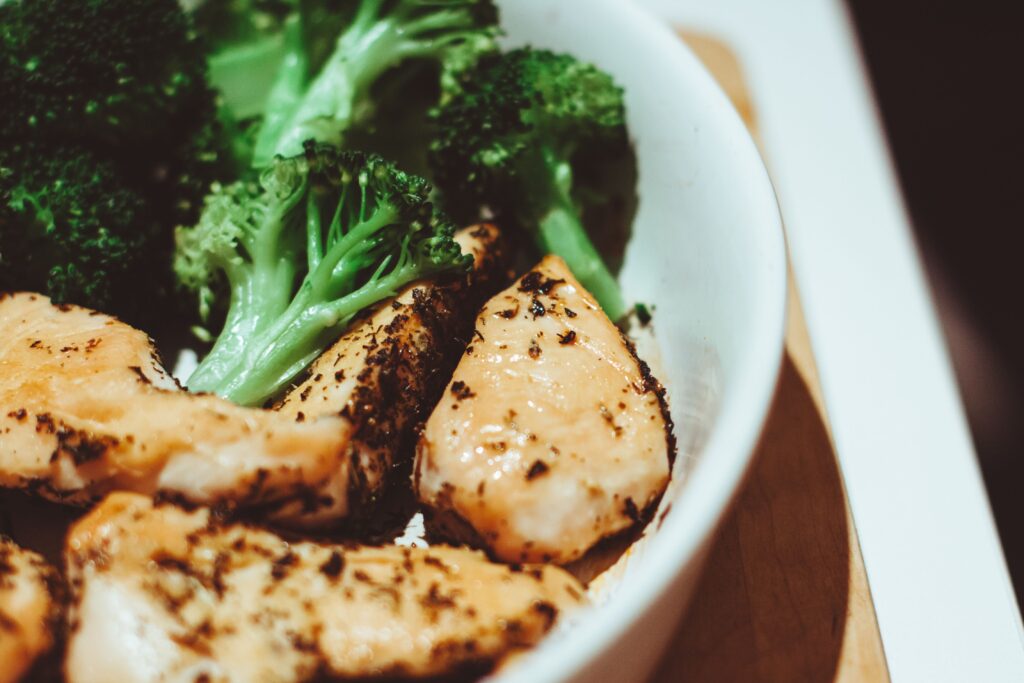
For healthy Indian adults, the National Institute of Nutrition (NIN) currently lists a recommended dietary allowance (RDA) of approximately 0.83 grams of protein per kilogram of body weight per day. For a reference adult weighing 65 kg, this corresponds to about 54 grams of protein per day.
This guide explains how much protein you may need, which foods provide protein, how to include more protein in an Indian diet and common mistakes to avoid.
What Is Protein and Why Does Your Body Need It?
Protein is made up of amino acids, which are used by the body to build and maintain tissues and produce various functional molecules.
Protein contributes to:
- Maintaining muscle tissue
- Supporting normal growth and development
- Maintaining body tissues
- Producing enzymes and hormones
- Supporting normal immune function
- Repairing and replacing body tissues
- Supporting overall nutritional health
Protein is therefore not only important for people who exercise or go to the gym.
Children, teenagers, adults, older adults and physically active people all need protein, although their requirements and dietary circumstances can differ.
A balanced diet generally provides protein from a combination of foods. Sources can include pulses, beans, dairy products, eggs, fish, meat, soy foods, nuts and seeds.
How Much Protein Do You Need Daily?
For healthy Indian adults, NIN’s current dietary guidance gives an RDA of 0.83 g/kg/day.
A simple way to understand this is:
Daily protein requirement = body weight in kg × 0.83 g
For example:
| Body weight | Approximate protein RDA |
| 50 kg | 41.5 g/day |
| 55 kg | 45.7 g/day |
| 60 kg | 49.8 g/day |
| 65 kg | 54.0 g/day |
| 70 kg | 58.1 g/day |
| 75 kg | 62.3 g/day |
| 80 kg | 66.4 g/day |
| 90 kg | 74.7 g/day |
| 100 kg | 83.0 g/day |
These are calculations based on the NIN RDA of 0.83 g/kg/day and are useful for understanding the general recommendation. They should not be interpreted as individualized medical or sports-nutrition prescriptions.
Your personal needs may differ depending on your age, health, activity level and other circumstances.
Is 0.83 Grams of Protein per Kg Enough for Everyone?
Not necessarily.
The NIN recommendation is a population-level recommendation for healthy adults. People in different life stages or with specific health needs may have different requirements.
For example, protein needs can be different during:
- Childhood
- Adolescence
- Pregnancy
- Breastfeeding
- Older age
- Recovery from illness or injury
- High levels of physical training
Athletes and people actively trying to build or maintain substantial muscle mass may consume more protein than the general adult requirement. WHO also notes that protein intake may need to be higher for athletes, bodybuilders and others actively building or maintaining significant muscle mass.
If you are pregnant, elderly, recovering from illness, managing kidney disease or another medical condition, discuss your protein intake with a qualified healthcare professional or registered dietitian.
Best High-Protein Foods for an Indian Diet
You do not necessarily need protein powders or expensive foods to meet your protein requirements.
India has a wide range of affordable protein-containing foods.
1. Dal and Lentils
Dal is one of the most practical protein sources in an Indian diet.
Common options include:
- Moong dal
- Masoor dal
- Toor dal
- Chana dal
- Urad dal
Dal can be combined with rice or roti and vegetables to create a balanced meal.
2. Chickpeas and Other Pulses
Chickpeas, black chickpeas, kidney beans and other pulses provide protein along with other nutrients.
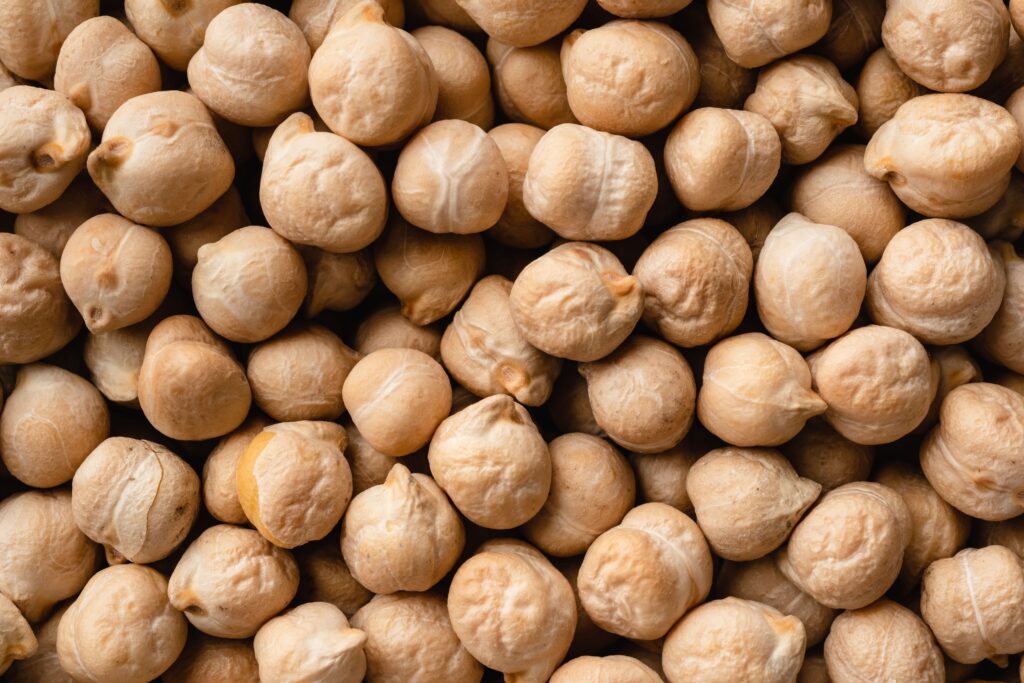
Examples include:
- Chana
- Kala chana
- Rajma
- Kabuli chana
- Lobia
- Green peas
They can be used in curries, salads, chaat and other meals.
3. Milk and Curd
Milk and curd can contribute protein to the diet and are convenient additions to breakfast, snacks or meals.
For example, you could combine:
- Curd with fruit
- Curd with roasted seeds
- Milk with oats
- Curd with a vegetable meal
Choose products according to your nutritional needs and tolerance.
4. Paneer
Paneer can provide a substantial amount of protein, although its overall nutritional profile depends on preparation and fat content.
Instead of relying on heavily fried paneer dishes, it can be incorporated into:
- Paneer salads
- Paneer vegetable bowls
- Paneer bhurji
- Paneer wraps
- Homemade paneer-based meals
5. Eggs
Eggs are a convenient protein-containing food for people who eat them.
They can be included as:
- Boiled eggs
- Omelettes with vegetables
- Egg bhurji
- Eggs with whole-grain toast
- Eggs alongside a balanced breakfast
6. Soy Foods
Soybeans and foods made from soy can be useful plant-based protein sources.
Examples include:
- Tofu
- Soybeans
- Soy chunks
- Tempeh
- Unsweetened soy products
Soy foods can be particularly useful for vegetarians and people following predominantly plant-based diets.
7. Fish and Seafood
Fish can provide protein along with other nutrients.
For non-vegetarians, fish can be incorporated into a balanced diet through preparations such as grilled, baked, steamed or lightly cooked dishes.
The nutritional profile varies between different types of fish and cooking methods.
8. Chicken and Lean Meat
Chicken and other meats can provide high-quality protein.
If you eat meat, choose preparations that fit within an overall balanced diet. Grilling, baking, roasting or lightly cooking meat can reduce the need for excessive oil compared with deep-frying.
9. Nuts and Seeds
Nuts and seeds contain protein as well as fats and other nutrients.
Examples include:
- Almonds
- Peanuts
- Walnuts
- Pumpkin seeds
- Sunflower seeds
- Sesame seeds
- Chia seeds
- Flaxseeds
Because nuts and seeds are energy-dense, portion size can still matter.
How to Include More Protein in Your Daily Diet
Instead of trying to consume a very large amount of protein in one meal, build protein-containing foods into different meals throughout the day.
For example:
Breakfast
- Vegetable omelette with whole-grain toast
- Moong chilla with curd
- Oats with milk and nuts
- Besan chilla with curd
- Tofu or paneer with vegetables
Lunch
- Dal with rice and vegetables
- Rajma with rice and salad
- Roti with dal and curd
- Chicken with vegetables and roti
- Fish with rice and vegetables
Evening Snack
- Roasted chana
- Curd
- Boiled eggs
- Nuts and seeds
- Sprouts
Dinner
- Paneer with vegetables and roti
- Dal with vegetables
- Tofu stir-fry
- Fish with vegetables
- Chicken with a balanced carbohydrate source and vegetables
The exact quantity should depend on your individual energy and nutritional requirements.
Protein for Vegetarians and Vegans
You do not need to eat meat to obtain protein.
A well-planned vegetarian or vegan diet can provide protein through combinations of foods such as:
- Lentils
- Beans
- Chickpeas
- Soy
- Tofu
- Soy chunks
- Nuts
- Seeds
- Whole grains
NIN specifically notes that protein requirements can be met from diverse plant-based diets, although protein quality and the variety of amino acids available from different foods should be considered.
One practical approach is to include a variety of protein-containing foods rather than depending heavily on one food.
Traditional Indian combinations such as cereals and pulses can complement each other nutritionally. NIN’s dietary guidelines discuss combining cereals and pulses as one way of improving the amino-acid profile of the overall diet.
Protein and Exercise
Protein and exercise are often discussed together because muscles require protein for maintenance and adaptation.
However, simply eating more protein does not automatically result in muscle growth.
Muscle development also depends on:
- Resistance training
- Total energy intake
- Overall diet quality
- Adequate recovery
- Sleep
- Training consistency
If your goal is to build muscle, resistance training combined with an appropriate overall diet is generally more important than simply increasing protein intake.
People who perform substantial amounts of strength training may have protein needs that differ from those of sedentary adults. A sports dietitian can help determine an appropriate intake based on training volume and goals.
Does More Protein Mean Better Health?
Not necessarily.
Protein is essential, but more is not automatically better.
A healthy diet should contain a balance of:
- Protein
- Carbohydrates
- Healthy fats
- Fibre
- Vitamins
- Minerals
- Adequate fluids
WHO notes that excessive protein intake can place a metabolic burden on the body, particularly the kidneys.
Rather than focusing on maximizing protein intake, focus on meeting your needs through a varied diet.
Should You Take Protein Powder?
Protein powder can be convenient, particularly when someone has difficulty meeting protein needs through food.
However, it is not essential for everyone.
A person who already meets their protein requirements through a varied diet generally does not need a protein supplement simply because it is marketed as a fitness product.
Before using supplements, consider:
- Your actual protein intake
- Your dietary preferences
- Your activity level
- Your overall calorie intake
- Existing health conditions
- Possible interactions with medications
If you have kidney disease or another medical condition, seek professional advice before significantly increasing protein intake or using supplements.
Common Protein Mistakes to Avoid
Eating Protein Only at Dinner
If your diet contains little protein during the day and a large amount at dinner, consider distributing protein-containing foods across meals.
Assuming Vegetarian Food Has No Protein
Dal, beans, chickpeas, soy foods, dairy products, nuts and seeds can all contribute protein.
Depending Entirely on Supplements
Protein powder can be convenient, but whole foods provide a broader range of nutrients.
Ignoring Overall Diet Quality
A high-protein diet can still be poorly balanced if it contains too many highly processed foods and lacks fruits, vegetables and whole grains.
Eating Too Much Protein Without a Clear Reason
More is not automatically better. Start with your actual nutritional needs rather than following a high-protein trend.
How to Calculate Your Protein Requirement
For a healthy adult, you can use the NIN RDA as a simple starting point:
Body weight × 0.83 = approximate protein requirement in grams per day
For example, someone weighing 70 kg:
70 × 0.83 = approximately 58 g protein/day
This calculation is a general reference rather than individualized medical advice.
If your goal is muscle gain, athletic performance, pregnancy nutrition, weight management or recovery from illness, your needs may differ.
Frequently Asked Questions
How much protein do you need daily?
For healthy Indian adults, NIN’s current RDA is approximately 0.83 g of protein per kilogram of body weight per day. For a 65 kg reference adult, this equals about 54 g per day.
How much protein does a 60 kg person need?
Using the NIN RDA of 0.83 g/kg/day, a 60 kg adult would need approximately 50 g of protein per day as a general reference.
How much protein does a 70 kg person need?
At 0.83 g/kg/day, a 70 kg adult would need approximately 58 g of protein per day.
Is protein important if I don’t exercise?
Yes. Protein is an essential nutrient needed for maintaining body tissues and supporting normal physiological functions. You do not need to be an athlete to require protein.
What are the best vegetarian protein sources?
Useful vegetarian protein sources include dal, lentils, chickpeas, beans, soy foods, tofu, dairy products, nuts and seeds.
Can I get enough protein from an Indian vegetarian diet?
Yes. A varied vegetarian diet can provide adequate protein when it includes diverse sources such as pulses, dairy or soy foods, nuts, seeds and grains. NIN notes that even predominantly plant-based diets can meet protein requirements when appropriately varied.
Is protein powder necessary for muscle gain?
No. Protein powder is not automatically necessary. It can be a convenient option when dietary protein is difficult to obtain from food, but resistance training, adequate nutrition and recovery are also important.
Can eating too much protein be harmful?
Excessive protein intake is not automatically beneficial and may be inappropriate for some people. People with kidney disease or other medical conditions should discuss protein intake with a healthcare professional.
Should I eat protein before or after exercise?
The overall amount and quality of protein consumed across the day are important. People engaged in structured strength training can benefit from planning protein-containing meals around their training, but there is no need to rely on a single post-workout meal as the only opportunity to consume protein.
What is the easiest way to increase protein intake?
Add a protein-containing food to meals you already eat. For example, add dal to lunch, curd to a meal, eggs at breakfast, roasted chana as a snack or tofu/paneer to a vegetable meal.
Final Thoughts
Understanding how much protein you need daily can help you make better decisions about your diet, but protein should be considered as one part of overall nutrition. For most healthy Indian adults, NIN’s recommended intake is approximately 0.83 g/kg/day, while individual needs can vary according to age, activity, life stage and health status.
Rather than chasing extremely high protein intake, focus on a varied diet containing pulses, dairy or suitable alternatives, eggs, fish, meat, soy foods, nuts, seeds and other nutritious foods. Combine good nutrition with regular physical activity, adequate sleep and healthy lifestyle habits.
If you have a specific health condition or a demanding athletic goal, consult a qualified healthcare professional or registered dietitian for individualized guidance.