
Fibre is an important part of a healthy diet, yet many people do not consciously think about how much fibre they consume every day. Fibre is found naturally in plant foods such as fruits, vegetables, pulses, whole grains, nuts and seeds.
Including high fibre foods in your daily diet can support digestive health and make meals more filling. Fibre-rich foods are also an important part of an overall balanced eating pattern.
If you are looking for high fibre foods for daily diet, you do not need expensive foods or complicated recipes. Many affordable Indian foods, including dal, chickpeas, beans, vegetables, fruits, oats and whole grains, can help increase your fibre intake.
WHO recommends that people older than 10 years aim for at least 25 grams of naturally occurring dietary fibre per day, while some national guidelines, such as UK guidance for adults, recommend around 30 grams per day. Individual requirements can vary.
This guide explains what fibre is, why it matters, which foods are rich in fibre and how you can easily include more fibre in an Indian diet.
What Is Dietary Fibre?
Dietary fibre is found primarily in plant-based foods. Unlike many other carbohydrates, fibre is not completely digested and absorbed in the small intestine.
Different types of fibre have different properties and functions.
Fibre can help:
- Support normal bowel function
- Add bulk to stools
- Support digestive health
- Contribute to feelings of fullness
- Form part of a healthy eating pattern
- Support overall dietary quality
Fibre is naturally found in foods such as:
- Fruits
- Vegetables
- Pulses
- Beans
- Lentils
- Whole grains
- Nuts
- Seeds
A diet containing a variety of these foods can provide different types of fibre and other important nutrients.
How Much Fibre Do You Need Every Day?
There is no single fibre target that applies identically to every person around the world.
WHO recommends that everyone older than 10 years aim for at least 25 grams of naturally occurring dietary fibre each day.
Other national dietary guidelines use a target of approximately 30 grams per day for adults.
The exact amount you need can depend on factors such as:
- Age
- Overall diet
- Energy intake
- Individual health circumstances
- Digestive tolerance
If your current diet is low in fibre, increase your intake gradually rather than making a sudden large change.
15 High Fibre Foods for a Daily Diet
1. Lentils
Lentils are among the easiest foods to include in an Indian diet.
Examples include:
- Masoor dal
- Moong dal
- Toor dal
- Urad dal
- Chana dal
Dal can be served with rice, roti or vegetables.
Because pulses can provide both fibre and protein, they can be particularly useful as part of a balanced vegetarian diet.
2. Chickpeas
Chickpeas are another versatile fibre-rich food.
You can use them in:
- Chana curry
- Chana salad
- Chole
- Hummus
- Chaat
- Roasted chickpea snacks
Choose preparation methods that fit your overall dietary needs.
3. Rajma
Rajma is a popular Indian pulse that can contribute fibre and protein to meals.
Rajma can be combined with:
- Brown rice
- Regular rice
- Whole-grain roti
- Vegetables
- Salad
A balanced rajma meal can be a practical way to increase plant-based foods in your diet.
4. Oats
Oats can be an easy breakfast option.
Try:
- Oatmeal with fruit
- Overnight oats
- Vegetable oats
- Oats with nuts and seeds
- Oats mixed with yogurt
Choose minimally processed or plain varieties more often and check labels on flavoured products for added sugars.
5. Apples
Apples provide fibre and can be an easy snack.
When appropriate, eating the skin can increase fibre intake because much of the fibre is located in or near the skin.
Wash fresh produce properly before eating.
6. Guava
Guava is a particularly useful fruit to include in an Indian diet.
You can eat it as:
- A mid-morning snack
- An evening snack
- Part of a fruit bowl
- A simple dessert after a meal
Whole fruit is generally preferable to fruit juice when the goal is to increase dietary fibre.
7. Pears
Pears are another fibre-containing fruit.
You can add them to:
- Breakfast
- Fruit salads
- Yogurt
- Oatmeal
As with apples, the edible skin contributes fibre.
8. Vegetables
Vegetables are essential components of a fibre-rich diet.
Good options include:
- Carrots
- Green peas
- Broccoli
- Cauliflower
- Beans
- Spinach
- Okra
- Cabbage
- Pumpkin
- Sweet potato
Instead of relying on one vegetable, aim for variety throughout the week.
9. Whole Grains
Whole grains retain more of the grain’s natural components than refined grains.
Examples include:
- Whole wheat
- Oats
- Brown rice
- Millets
- Barley
- Whole-grain breads
WHO recommends that carbohydrates should primarily come from sources such as whole grains, vegetables, fruits and pulses.
10. Millets
Millets are traditional grains that can contribute to dietary variety.
Examples include:
- Ragi
- Bajra
- Jowar
- Foxtail millet
- Little millet
They can be used in rotis, porridges, dosa-style preparations and other meals.
The nutritional composition varies between different millets and preparation methods.
11. Chia Seeds
Chia seeds are small but fibre-rich.
They can be added to:
- Oats
- Yogurt
- Smoothies
- Homemade puddings
- Breakfast bowls
Because chia seeds absorb liquid, consume them as part of an appropriate preparation and maintain adequate fluid intake.
12. Flaxseeds
Flaxseeds provide fibre along with other nutrients.
They can be added to:
- Oatmeal
- Yogurt
- Smoothies
- Homemade energy mixtures
- Whole-grain foods
Ground flaxseed can be easier to incorporate into some meals than whole seeds.
13. Almonds and Other Nuts
Nuts contain fibre along with protein and fats.
Useful choices include:
- Almonds
- Peanuts
- Walnuts
- Pistachios
Choose unsalted or minimally processed options more often.
Remember that nuts are energy-dense, so appropriate portions are important.
14. Green Peas
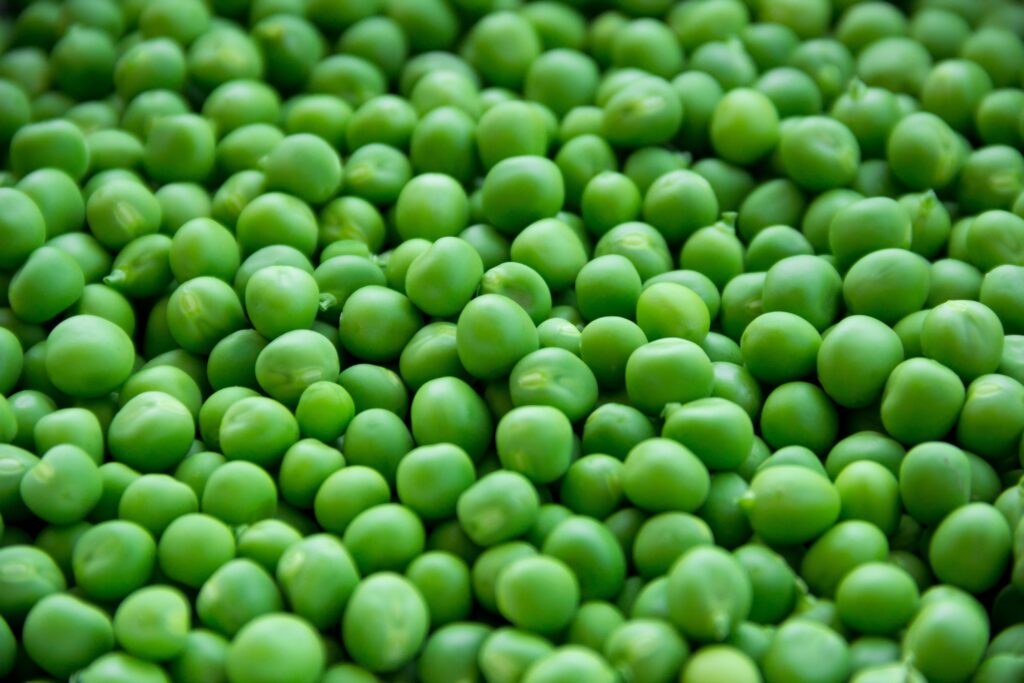
Green peas can be added to:
- Vegetable curries
- Pulao
- Soups
- Salads
- Mixed vegetable dishes
They are an easy way to increase the variety of plant foods in meals.
15. Sweet Potatoes
Sweet potatoes can contribute fibre and are versatile enough to replace or complement other carbohydrate sources.
They can be:
- Boiled
- Baked
- Roasted
- Added to meals
- Used as a snack
Keeping the edible skin on when appropriate can provide additional fibre.
High Fibre Indian Foods at a Glance
| Food group | Examples |
| Pulses | Dal, masoor, moong, chana dal |
| Beans | Rajma, black beans, lobia |
| Chickpeas | Chole, kala chana |
| Fruits | Guava, apple, pear, orange |
| Vegetables | Carrot, peas, broccoli, beans |
| Whole grains | Oats, brown rice, whole wheat |
| Millets | Ragi, bajra, jowar |
| Nuts | Almonds, peanuts, walnuts |
| Seeds | Chia, flax, sunflower, pumpkin |
| Root vegetables | Sweet potato |
The amount of fibre in each food depends on the variety, serving size and preparation method, so use food labels or a reliable nutrition database when you need precise amounts.
How to Add More Fibre to Your Daily Diet
You do not need to completely change your diet to eat more fibre.
Small substitutions can make a difference.
At Breakfast
Instead of a breakfast based primarily on refined grains, consider:
- Oats with fruit
- Vegetable poha
- Upma with vegetables
- Whole-grain toast with vegetables
- Moong chilla
- Ragi-based breakfast options
Add fruit or seeds where appropriate.
At Lunch
A fibre-friendly lunch can include:
- Dal
- Vegetables
- Salad
- Whole-grain roti
- Brown rice or another whole grain
- Rajma or chickpeas
Try to make vegetables and pulses regular parts of your meals.
For Snacks
Instead of always choosing highly processed snacks, consider:
- Fresh fruit
- Roasted chana
- Unsalted nuts
- Seeds
- Vegetable sticks
- Homemade popcorn
- Fruit with yogurt
At Dinner
You can increase fibre by including:
- Vegetable sabzi
- Dal
- Beans
- Whole-grain roti
- Brown rice
- Millets
- Salad
The goal is variety rather than simply eating one very high-fibre food every day.
Fibre and Digestive Health
One of the best-known benefits of dietary fibre is its relationship with digestive health.
A diet rich in fibre can help support regular bowel movements and reduce the risk of constipation. NHS guidance recommends fibre from a variety of foods, including whole grains, fruits, vegetables, oats and beans.
However, increasing fibre suddenly can cause:
- Gas
- Bloating
- Abdominal discomfort
This is why it is generally better to increase fibre gradually while maintaining adequate fluid intake.
If you have a diagnosed digestive condition or regularly experience significant abdominal pain, bloating, changes in bowel habits or other symptoms, speak with a healthcare professional before making major dietary changes.
Fibre and Weight Management
High-fibre foods can contribute to a diet that is more filling and nutrient-dense.
Foods such as vegetables, fruits, pulses and whole grains can provide fibre along with vitamins, minerals and other nutrients.
This does not mean that fibre is a weight-loss treatment by itself.
Healthy weight management generally involves several factors, including:
- Overall diet
- Physical activity
- Sleep
- Energy intake
- Lifestyle
- Individual health factors
Instead of focusing only on fibre, build a balanced eating pattern around a variety of nutritious foods.
Soluble and Insoluble Fibre
You may have heard of soluble and insoluble fibre.
Soluble Fibre
Soluble fibre can absorb water and form a gel-like substance during digestion.
It is found in foods such as:
- Oats
- Some fruits
- Beans
- Lentils
- Seeds
Insoluble Fibre
Insoluble fibre adds bulk to stool and supports normal movement through the digestive tract.
Sources include:
- Whole grains
- Vegetable skins
- Many vegetables
- Nuts and seeds
Many plant foods contain a mixture of different fibre types, so eating a variety of foods is more practical than trying to calculate each type individually.
Fibre vs Fibre Supplements
For most people, the first approach should be to obtain fibre through food.
Whole foods provide fibre alongside other nutrients and contribute to dietary variety.
Fibre supplements may have specific uses, but they are not automatically necessary for everyone.
If you are considering a fibre supplement because of constipation or another digestive issue, discuss the appropriate product and dose with a healthcare professional, particularly if symptoms are persistent.
Common Mistakes When Increasing Fibre
Increasing Fibre Too Quickly
Going from a low-fibre diet to a very high-fibre diet overnight can cause digestive discomfort.
Increase gradually.
Not Drinking Enough Fluids
Fibre and fluid work together in digestive health. Maintain adequate fluid intake as you increase fibre.
Eating Only One Fibre-Rich Food
Eating large quantities of one food is less useful than consuming a variety of fruits, vegetables, pulses, whole grains, nuts and seeds.
Choosing Highly Processed “High-Fibre” Products Automatically
A food marketed as high-fibre is not necessarily the best choice for your overall diet. Look at the complete nutrition label and ingredient list.
Replacing All Carbohydrates With Fibre
Carbohydrates can be an important source of energy. The goal is not to eliminate carbohydrates but to choose nutritious sources, particularly whole grains, fruits, vegetables and pulses.
One-Day High-Fibre Indian Diet Example
Here is a simple example of how you might incorporate high-fibre foods throughout the day.
Breakfast
Oats with:
- Apple or guava
- Chia or flaxseeds
- Milk or yogurt
Mid-Morning Snack
One whole fruit such as an apple, pear or orange.
Lunch
- Dal
- Two whole-wheat rotis
- Mixed vegetable sabzi
- Salad
- Curd
Evening Snack
- Roasted chana
- A small portion of unsalted nuts
Dinner
- Rajma or another pulse
- Brown rice or whole-grain roti
- Mixed vegetables
- Salad
This is an example rather than a prescribed meal plan. Your nutritional needs and portion sizes should depend on your age, activity level, health status and dietary preferences.
How to Read Fibre Information on Food Labels
If you are buying packaged foods, check the nutrition information for dietary fibre.
As a general labelling reference, foods containing 6 grams or more of fibre per 100 grams are considered high in fibre under UK labelling guidance.
However, don’t judge a food only by its fibre number.
Also consider:
- Added sugar
- Sodium
- Total calories
- Saturated fat
- Protein
- Ingredients
- Serving size
A balanced diet depends on the overall nutritional quality of your food choices.
Frequently Asked Questions
What are the best high fibre foods for daily diet?
Good options include dal, lentils, chickpeas, rajma, vegetables, fruits, oats, whole grains, millets, nuts and seeds.
How much fibre should I eat every day?
WHO recommends at least 25 grams of naturally occurring dietary fibre per day for people older than 10 years. Some adult dietary guidelines recommend around 30 grams per day.
Is dal high in fibre?
Yes. Pulses such as lentils, chickpeas and beans are important sources of dietary fibre and can be regular components of a balanced diet.
Which Indian fruit is high in fibre?
Guava, pears, apples and several other whole fruits can contribute useful amounts of fibre. The amount varies according to the fruit and serving size.
Are oats high in fibre?
Oats are a useful source of dietary fibre and can be included in breakfast or snacks.
Is brown rice better than white rice for fibre?
Brown rice generally contains more fibre than white rice because it retains more of the grain’s outer layers. However, both can fit into a balanced diet depending on your overall eating pattern.
Can high-fibre foods help with constipation?
A fibre-rich diet can support normal bowel function and help prevent constipation. Increase fibre gradually and maintain adequate fluid intake.
Can eating too much fibre cause problems?
Yes. A sudden increase in fibre can cause gas, bloating or abdominal discomfort. Increasing fibre gradually can help your digestive system adapt.
Are fruits better than fruit juice for fibre?
Whole fruits generally provide more dietary fibre than juice because the fruit’s structure and fibre are retained. Whole fruit is therefore a useful choice when your goal is to increase fibre intake.
Can I get enough fibre from a vegetarian diet?
Yes. Vegetarian diets can contain substantial amounts of fibre when they include a variety of vegetables, fruits, pulses, whole grains, nuts and seeds.
Final Thoughts
Adding high fibre foods to your daily diet does not require an expensive meal plan or major changes to traditional Indian food. Dal, rajma, chickpeas, vegetables, fruits, oats, whole grains, millets, nuts and seeds can all contribute to your daily fibre intake.
Start gradually and focus on variety. Add a fruit to breakfast, include vegetables with lunch and dinner, choose pulses regularly 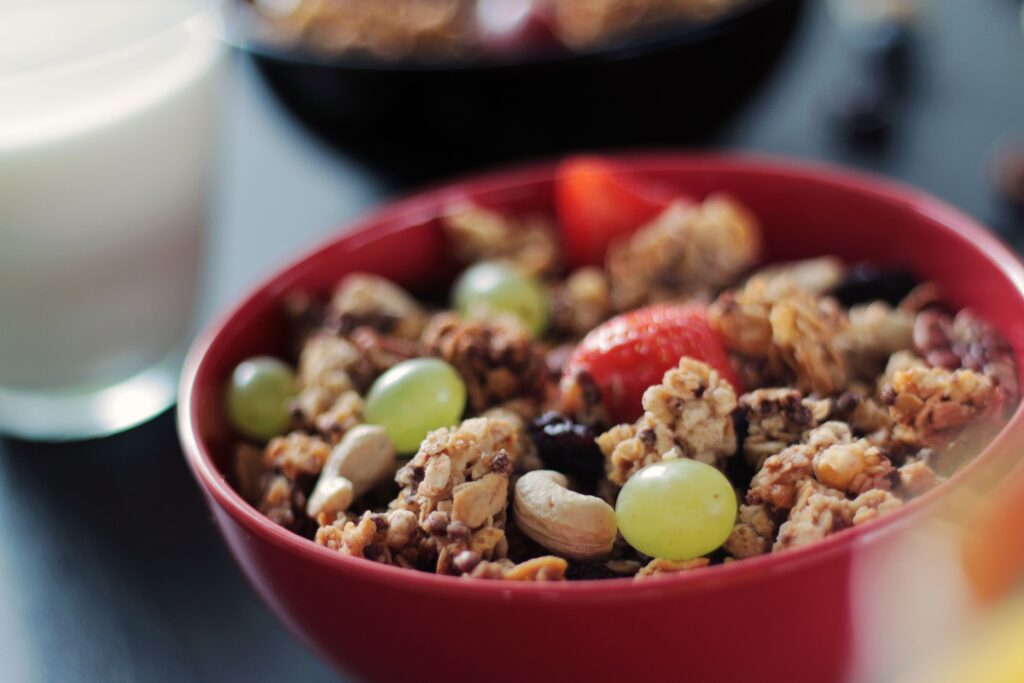 and replace some refined grains with whole-grain alternatives where practical.
Remember that fibre is only one part of a healthy diet. Combine fibre-rich foods with adequate protein, healthy fats, regular physical activity, sufficient sleep and appropriate hydration to build a balanced lifestyle.
If you have a digestive condition or experience persistent gastrointestinal symptoms, consult a qualified healthcare professional before making significant changes to your fibre intake.